
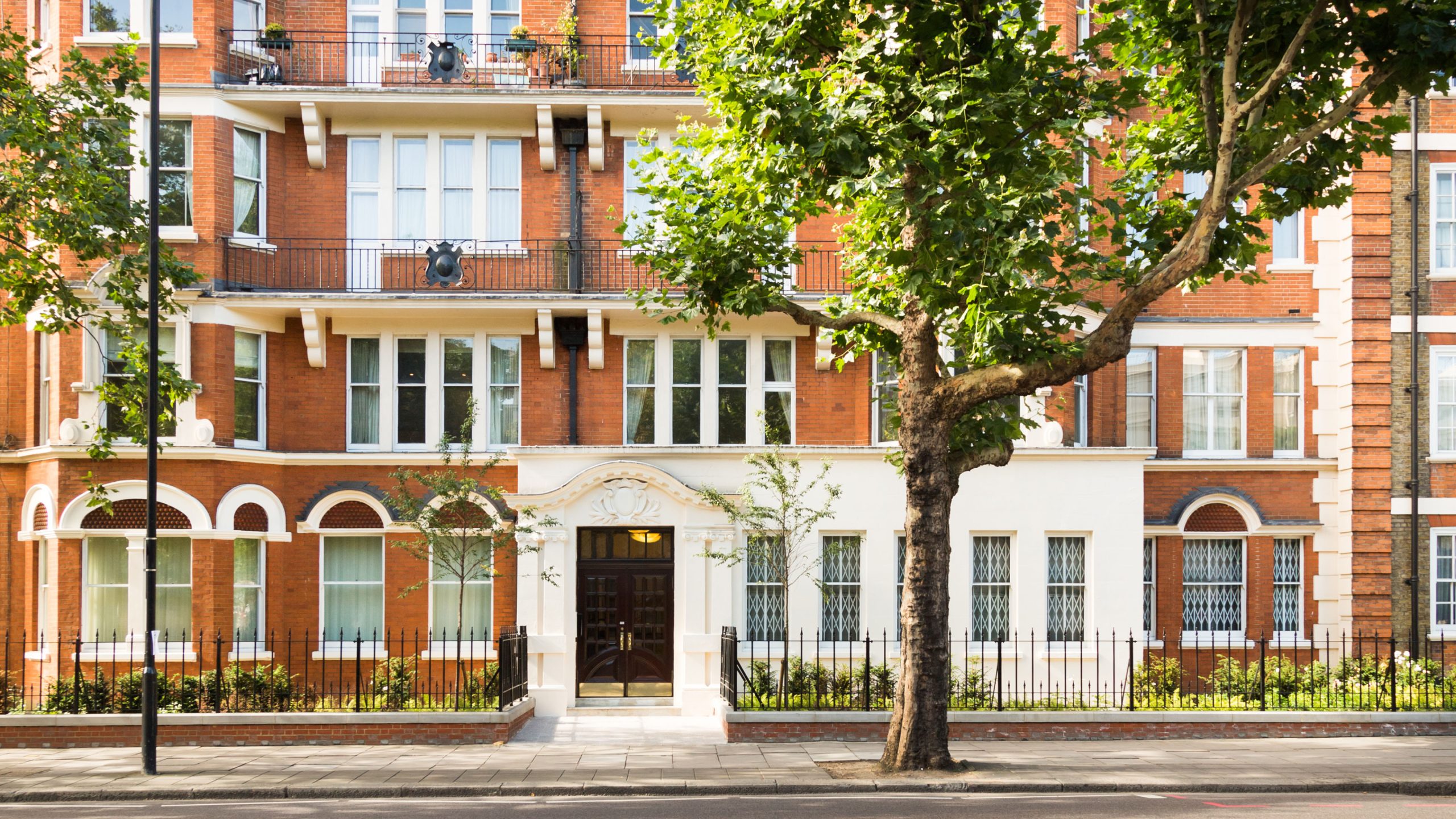
The UK property market in 2026 is expected to step into a calmer, more predictable phase. After years of turbulence caused by rising interest rates, inflation, and patchy housing supply, analysts now anticipate modest growth rather than dramatic spikes. Average house price increases are forecast at around 2-4%, with some regions likely to outperform others. A gentle easing of mortgage rates is helping make homes more affordable, giving hopeful buyers a reason to feel optimistic.
2026 Property Market Forecasts
Price Growth and Affordability: A Delicate Balance
House prices are expected to grow slowly but steadily, reflecting a market where affordability is improving. Wage growth is beginning to outpace price inflation, and gradually easing interest rates are opening doors for first-time buyers and those looking to move up the property ladder.
Regional Variation: Location Matters
Not all areas are created equal. Northern cities such as Manchester, Birmingham, and Leeds could see price growth exceeding 5%, thanks to strong demand and ongoing development. Meanwhile, prime London and the South East may see little change, as affordability constraints continue to limit buyer activity.
Rental Market: Strength in Stability
Rents are expected to rise modestly, around 2-4%, driven by a persistent shortage of homes, especially in urban centres. Build-to-rent schemes are gaining popularity, offering modern, professionally managed homes for young professionals, while attracting long-term institutional investors.
Policy changes, such as new tenant protections or potential high-value property taxes, could influence yields and reshape investor strategies.
Market Activity: Slow and Steady
Transaction volumes may edge up as borrowing costs fall, but the market is unlikely to return to pre-pandemic frenzy levels. Growth is expected to be moderate and measured, creating a more predictable environment for all market participants.
What Does This Means for Buyers, Sellers & Investors?
Buyers in 2026 can enjoy a cautiously positive outlook. Slower price growth and lower borrowing costs make it easier to enter the market, though careful budgeting is still essential, especially in competitive areas. Keep an eye on changes to stamp duty or other property taxes, which could impact affordability for second homes or investment purchases.
Sellers can anticipate a steadier environment than in recent years. Modest price growth and consistent demand may allow for smoother transactions. In high-end markets, however, challenges remain due to affordability limits, so realistic pricing is key.
Investors are likely to see steady returns rather than spectacular gains. With low single-digit capital growth, a long-term strategy is preferable to short-term speculation. Strong rental demand in areas with limited housing ensures reliable income, even if property values rise slowly. Staying alert to regulatory and tax changes will be crucial for maintaining profitability.
A Stabilising Market
Overall, 2026 looks set to be a year of stability and balance for the UK property market. Buyers are likely to benefit from improved affordability and more manageable borrowing costs, making it easier to enter the market or move up the property ladder. Sellers can enjoy more predictable transactions and a clearer sense of market conditions, allowing them to plan with greater confidence. Investors, meanwhile, can focus on long-term growth strategies, relying on steady rental demand and moderate capital appreciation rather than chasing rapid, unpredictable gains.
While dramatic price surges may be off the table, this more measured pace creates a healthier, more sustainable foundation for anyone looking to buy, sell, or invest in property across the country, reducing the uncertainty that has marked previous years.